

Let's create high-tech systems that make you win
Complex missions, demanding environments and high-precision devices call for more than standard optics. Whether you need optical instruments for research, reliable payloads for autonomous systems or subsystems that deliver new insights at higher speed, we help transform challenges into cutting-edge solutions, built on precision, reliability and application know-how.
Optical solutions tailored to your challenge
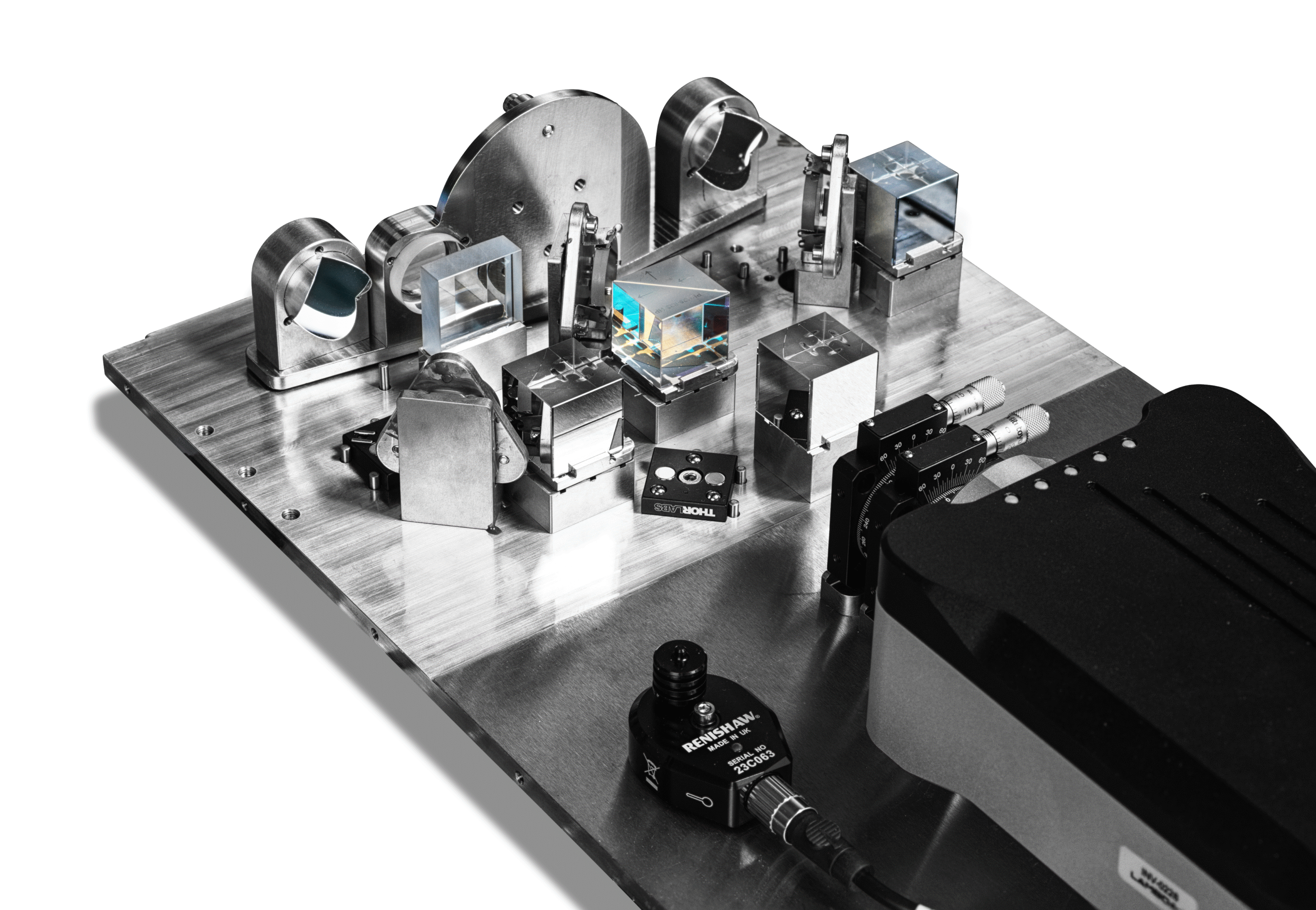
When experiments demand accuracy and robustness, standard solutions often fall short. Our tailor-made instruments are designed to fit the exact needs of your process – whether it’s handling, measurement, automation, data handling or visualization – so you can generate reliable results where it matters most.
Microgravity: compactness, robustness, and reliability.
MedTech instruments to seamlessly integrate into clinical workflows.
BioTech: precision and speed to move discovery forward.
QA & process control: industrial process monitoring.
Across space, airborne and defense platforms, onboard optics and payloads must perform reliably under harsh conditions and tight constraints. We co-develop custom optical systems and payloads, lightweight, precise and integration-ready, for applications ranging from thermal detection and imaging to navigation, guidance, inspection and proximity operations.
Satellite payloads: imaging, thermal sensing, navigation and EO.
Drone, stratospheric balloons & HAPS sensors.
Robotic systems: optics for navigation, inspection, and manipulation.
Missile guidance: precision under extreme speed, vibration, and heat.
Sounding rockets: robustness with high-resolution sensing.
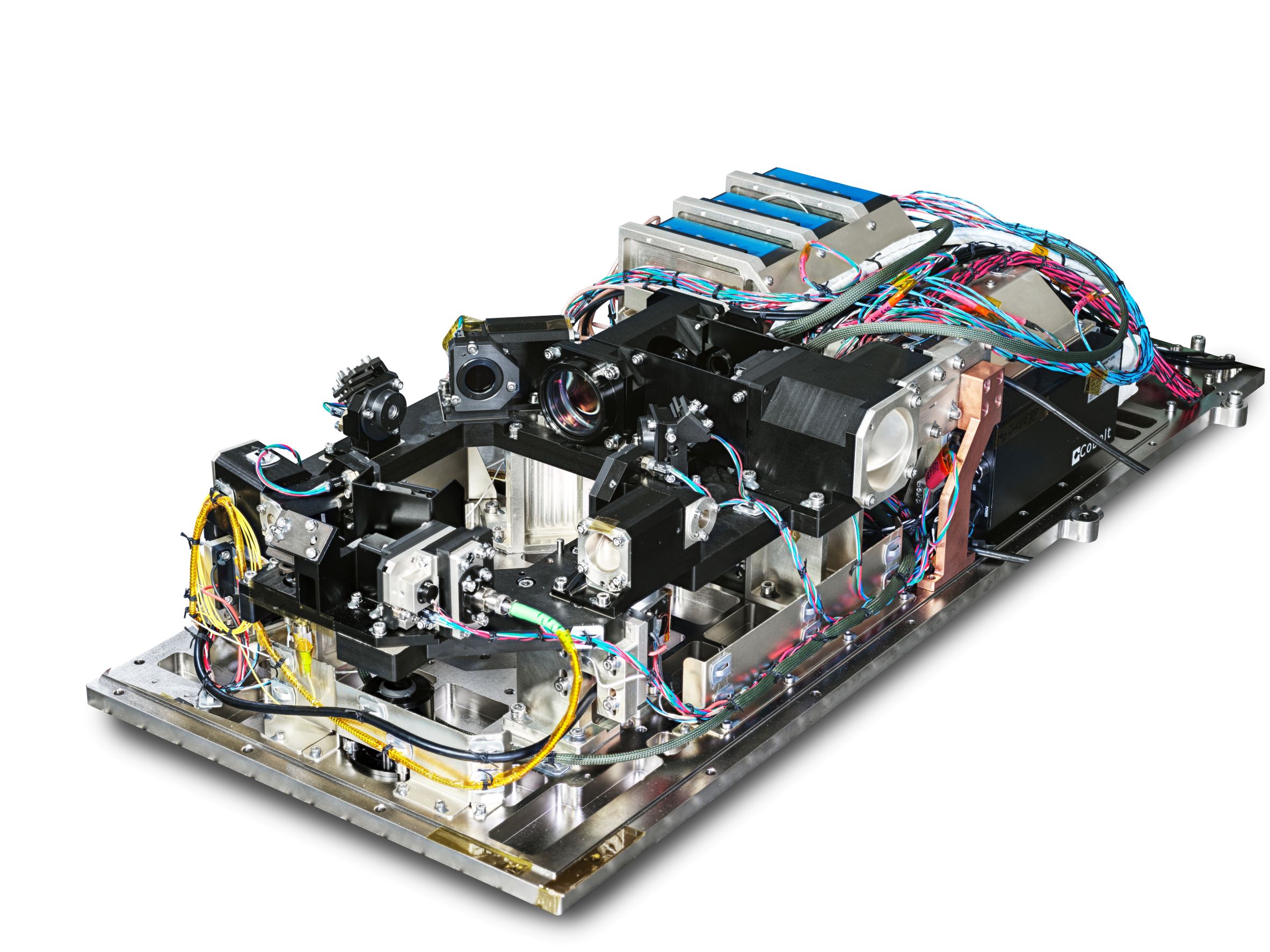
Across space, airborne and defense platforms, onboard optics and payloads must perform reliably under harsh conditions and tight constraints. We co-develop custom optical systems and payloads, lightweight, precise and integration-ready, for applications ranging from thermal detection and imaging to navigation, guidance, inspection and proximity operations.
Satellite payloads: imaging, thermal sensing, navigation and EO.
Drone, stratospheric balloons & HAPS sensors.
Robotic systems: optics for navigation, inspection, and manipulation.
Missile guidance: precision under extreme speed, vibration, and heat.
Sounding rockets: robustness with high-resolution sensing.
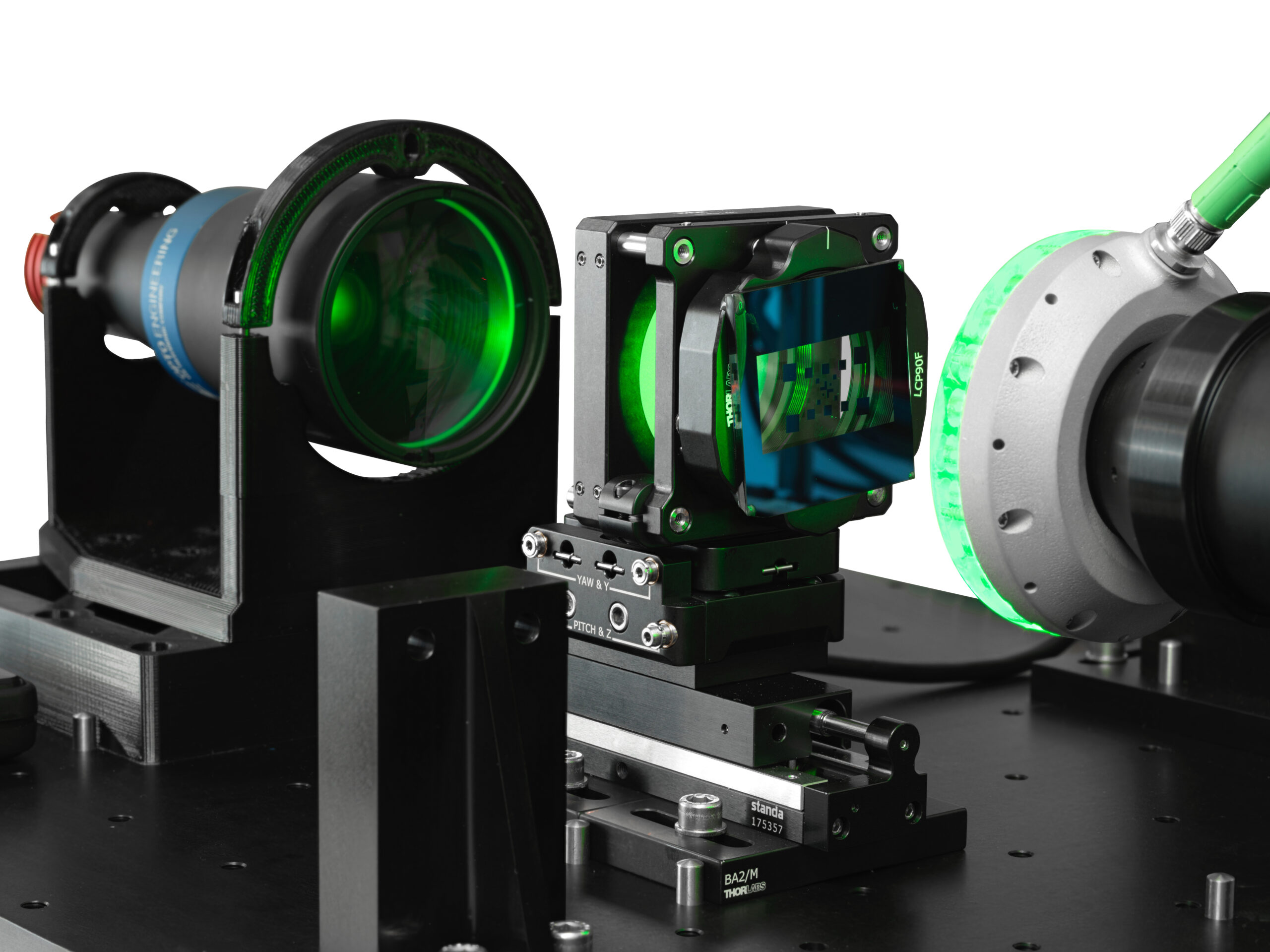
Standard optics can limit how much detail, speed or accuracy your system can achieve. When you need sharper insights, faster data or higher precision, optical subsystems become the critical enabler. We co-develop solutions that strengthen performance, helping you detect, measure, observe and visualize with confidence.
Detection & measurement: precision in demanding environments.
Positioning, navigation & alignment: smooth, accurate operations.
Observation & data capturing: high-resolution and high-speed.
Visualization & projection systems: turning signals into insights.
Our optical innovation expertise at your service
Cutting-edge optical technology
Discover how combining optics with smart data extraction brings your ideas to life ➜
Instrument design & engineering
Know more on how to turn concepts into high-performance, reliable optical solutions ➜
Industrialization & production
Get to learn about scaling up with the flexible pilot and batch manufacturing in our cleanrooms ➜
High-tech venture building
See how to navigate growth challenges and bring your high-tech innovation to market ➜
Our optical innovation expertise at your service
Cutting-edge optical technology
Discover how combining optics with smart data extraction brings your ideas to life ➜
Instrument design & engineering
Know more on how to turn concepts into high-performance, reliable optical solutions ➜
Industrialization & production
Get to learn about scaling up with the flexible pilot and batch manufacturing in our cleanrooms ➜
High-tech venture building
See how to navigate growth challenges and bring your high-tech innovation to market ➜
Powering high-tech optical solutions across markets
Space & defense ➜
Life sciences ➜
Industry ➜
Some of the partners we helped develop high-tech innovation






































Let’s discuss how we can create together high-tech systems that make you win!
Let’s discuss how we can create together high-tech systems that make you win!